Archives

Chapter 4 Misconception Of Zakat And Distributive Justice In Islam: Case Study Of Zakat Institutions In Malaysia

  • November 2, 2022
  • Comments off

DOWNLOAD CHAPTER 4 Misconception Of Zakat And Distributive Justice In Islam: Case Study Of Zakat Institutions In Malaysia Abstract The COVID-19 pandemic caused a multidimensional crisis in health, economic, social, and lifestyle due to the pandemic. Many people endured hardships and struggled to make ends meet. As an Islamic social fund, zakat plays a role in mitigating this problem by assisting communities affected by it. This study investigates the role of zakah and addresses the issues related to zakat misconceptions and management by demonstrating the importance of zakat through various evidence undertaken by zakatinstitutions during the pandemic. This study adopts a qualitative research method using secondary data and analytical approaches to achieve its objectives. Zakat distribution programmes conducted by all zakat institutions in Malaysia for zakat beneficiaries affected by Covid-19 have been one of the study’s most important findings. This highlights the viability of zakat objectives as one of Islam’s distributive justice mechanisms in assisting and alleviating the burden imposed on society,particularly those in the asnaf categories due to the Covid-19 pandemic. The study is limited to the focus on the zakat mechanism in the context of distribution justice from the Islamic perspective. Keyword: Zakah, Viability, Misconception, Covid-19 Share: Facebook Twitter LinkedIn Writer Siti Saffa’ International Islamic University, Malaysia Syed Marwan International Islamic University, Malaysia

Read More

Chapter 3 Social Protection From Islamic And Western Socioeconomic Perspectives: A Comparative Review

  • November 2, 2022
  • Comments off

DOWNLOAD CHAPTER 3 Social Protection From Islamic And Western Socioeconomic Perspectives: A Comparative Review Abstract This paper discusses the topic of social protection in terms of social security and insurance. It is further narrowed into two aspects. The first one is how social protection helps the needy, and the second is how social protection helps economic growth. The paper starts with information on social security and insurance from Islamic and conventional points of view. The differences between these two views are elaborated more in this paper. Furthermore, a list of scholars from the Islamic and the western worlds and their contributions to social security and insurance are highlighted despite their philosophical and geographical differences. The three Islamic scholars are Muhammad Yunus, who came out with microfinance to help the poorest of the poor. Followed by Ungku Abdul Aziz, who brought the establishment of Tabung Haji and lastly, Caliph Umar ibn Abdul Aziz in the past, where during his caliphate, the management of the leading social protection instrument was zakat, which was on top of the extent that there were no poor people who were eligible to receive the funds of zakat. On the other hand, this paper also provides some information on the contributions of conventional scholars to see how these two systems differ from one another and how they can integrate into benefiting each other. The first conventional scholar is Otto Von Bismarck, who introduced the first social insurance and invented a pension fund—followed by Roosevelt, who used his presidential power to enact a law related to social security. Willian Beveridge, a British economist and social reformer is the last one. He was closely associated with the development of state welfare and published a report entitled ‘Social Insurance and Allied Services’ to cure the problem faced by society. Providing all these scholars indicates a need to discuss the integration of contributions to this field that supports social benefit to the needy and helps grow the economy. Further analysis and recommendations are presented regarding this topic in the last section of the paper. Keyword: zakat, social security, social protection, insurance, pension Share: Facebook Twitter LinkedIn Writer Amani Binti Muhammad International Islamic University, Malaysia. Mohamed Aslam Akbar International Islamic University, Malaysia.

Read More

Chapter 2 Spirituality: Undiscovered Essential Domain In Quality Of Life

  • November 2, 2022
  • Comments off

DOWNLOAD CHAPTER 2 Spirituality: Undiscovered Essential Domain In Quality Of Life Abstract Literature review on the role of spirituality as a domain of life to measure a participant of microcredit programme quality of life, however is limited. Therefore, the objective of this study is to explore the spirituality as a domain of life and to further investigate the relationship of spirituality and the participants’ quality of life. A probability sampling strategy (disproportionate stratified) was used to select the samples for this study. The hypothesis was examined using cross-sectional data from 638 participants of AIM. Data was measured using a single-item measures and met the reliability and validity minimum requirement. From the findings, it showed that all the domains of life have remarked significant associations with overall quality of life. It is also appeared that domain of life of spiritually was significantly associated with overall quality of life. This study shed light that spirituality is a domain of life of quality of life. Therefore, this study may contribute to policy implications in a unique approach where, policymakers can address participants’ socioeconomic growth through spirituality aspects of life in order to improve participants’ quality of life. Keyword: Spirituality, quality of life, domain of life, microcreditprogramme Share: Facebook Twitter LinkedIn Writer Zuraidah Mohamed Isa Universiti Teknologi MARA, Malaysia Norhidayah Ali Universiti Teknologi MARA, Malaysia

Read More

Chapter 1 Meta Analysis: Human Governance Of Organizational Leaders

  • November 1, 2022
  • Comments off

DOWNLOAD CHAPTER 1 Meta Analysis: Human Governance Of Organizational Leaders Abstract Human governance is defined as governing from ‘human beings’ to ‘human beings’ in order to produce virtuous morals, high ethical values, and acceptable moral conduct in all societies. Human governance is also a mechanism for forming human identities that have positive internal values, understand the purpose of life as a leader to oneself and others, can motivate and inspire others to work with integrity, and are accountable for the well-being of an organization. There have only been a few studies on Human governance. As a result, from 2010 to 2020, this study systematically examined articles on Malaysian human governance. According to the findings, Human governance studies are still scarce, both locally and globally. This meta-analysis revealed that concept papers and quantitative research approaches were used in their studies, with literature reviews being the most commonly used. Some of the themes included human governance elements, human governance leader characteristics, and human governance leader qualities. Furthermore, the findings also revealed that studies on human governance in education had not been investigated. As a result, the findings of this study can be used as a reference for researchers studying the field of human governance, which is a current issue, particularly in the education field. Keyword: Human governance, elements of human governance, metaanalysis, leadership in Malaysia. Share: Facebook Twitter LinkedIn Writer Noriadah Binti Abdul Karim Institut Aminuddin Baki Alias Bin Mohamed Naim Institut Aminuddin Baki

Read More

Zakat and Islamic Social Finance: The Way Forward

  • November 1, 2022
  • Comments off

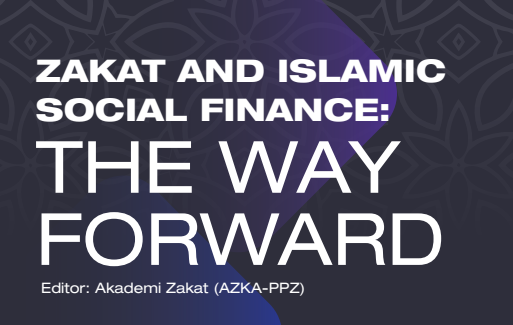
Zakat and Islamic Social Finance: The Way Forward Akademi ZakatPPZ-MAIWP Chapter in Book Zakat and Islamic Social Finance: The Way Forward DOWNLOAD Various issues related to zakat and social finance management always arise and require discussions and research to ensure that the decisions and implementation follow best practices. This matter is essential to increase the community’s understanding of zakat and social finance management and increase people’s awareness about zakat, which will help the community in need. This book is also an ongoing effort by PPZ-MAIWP to address the current problems of Islamic social finance, which includes issues related to zakat, waqaf, and philanthropy. State Islamic Religious Councils and Zakat Institutions should always be proactive in empowering management and zakat institutions. Share: Facebook Twitter LinkedIn Article by Chapter CHAPTER 1 Meta Analysis: Human Governance Of Organizational Leaders Authors: Noriadah Binti Abdul Karim & Alias Bin Mohamed Naim  CHAPTER 2 Spirituality: Undiscovered Essential Domain In Quality Of Life Authors: Zuraidah Mohamed Isa & Norhidayah Ali  CHAPTER 3 Social Protection From Islamic And Western Socioeconomic Perspectives: A Comparative Review Authors: Amani Binti Muhammad & Mohamed Aslam Akbar  CHAPTER 4 Misconception Of Zakat And Distributive Justice In Islam: Case Study Of Zakat Institutions In Malaysia Authors: Siti Saffa’ & Syed Marwan  CHAPTER 5 Zakat As An Effective Strategy For Poverty Alleviation In Zanzibar Author: Abdalla Ussi Hamad CHAPTER 6 Empowerment Of Asnaf Zakat Through Zhul-Qarnain Community Engagement Model Author: Saheed Abdullahi Busari CHAPTER 7 The Role Of Waqf In Socioeconomic Development In Ottoman Empire: Lessons For Nigeria Authors: Umar Muhammad Aljazira, Ahmad Muhammad Gusau, & Jabir Musa Sulaiman CHAPTER 8 Influence Of Ta’awun (Mutual Cooperation) Among Community Members In Enhancing Zakat Compliance Behaviour Authors: Suhaimi Mhd Sarif & Yusof Ismail CHAPTER 9 Islamic Social Finance And Its Roles In Developing Islamic Economy In Addressing Various Issues During The Covid-19 Pandemic Authors: Zanirah Mustafa, Noraini Junoh, Muhammad Fakhrul Hadi Dzalihu’zzabir, Nur Asyiqin Abdul Moin. Amirah Elyana Shamsuddin, Nur Athirah Mohd Fauzi, & Nur Huda Syazana Binti Sabri CHAPTER 10 Islamic Social Finance: A Sustainable Solution To Poverty Alleviation Author: Aadil Hussain Wagay & Athar Shahbaz Wani CHAPTER 11 Asnaf Care: Keberkesanan Inisiatif LZNK Menghadapi Pandemik Covid-19 Cadangan Kerangka Kajian Authors: Raja Alwi Raja Omar, Mohd Zool Hilmie Mohamed Sawal, Nazni Noordin & Nor Famiza Tarsik CHAPTER 12 Prosper-Thy-Neighbour (PTN) Strategy In Social Responsibility Of Islamic Philanthropy For Society Development Author: Muhamad Fazil Ahmad Editorial Team Muhsin Nor Paizin Akademi Zakat Abdul Rahim Aziz Akademi Zakat Nurul Izzah Azhar Akademi Zakat

Read More

Tinjauan Awal Aplikasi Hukum Zakat Ke Atas Matawang Kripto Dan Token Digital

  • October 25, 2022
  • Comments off

DOWNLOAD Abstract Perkembangan Revolusi Industri 4.0 telah mendorong pelbagai sektor untuk melakukan transformasi dalam pendekatan dan bentuk perkhidmatan masing-masing. Antara sektor yang mengalami evolusi dari semasa ke semasa adalah sektor kewangan dan perbankan. Perkembangan semasa memperlihatkan pelbagai inovasi berkaitan Teknologi Kewangan (FinTech) yang dilihat mampu memberi nafas baharu dan anjakan paradigma dalam ekosistem perbankan dan kewangan global, antaranya dengan kewujudan matawang kripto dan juga token digital. Para pengkaji dan cendekiawan Syariah berbeza pandangan dalam menanggapi isu ini, namun perkembangan terkini pihak Suruhanjaya Sekuriti Malaysia telah mengeluarkan garis panduan bagi operasi dan pelaburan aset digital. Oleh itu, kajian ini akan memfokuskan potensi kenaan zakat ke atas matawang kripto dan token digital berpandukan fungsi dan praktis semasa masing-masing. Objektif kajian adalah untuk mengenal pasti samada matawang kripto adalah bersesuaian dengan konsep mal (harta) yang tertakluk kepada hukum zakat dan jika menepati konsep harta, apakah jenis zakat yang sewajarnya ditaksir ke atas matawang kripto? Kajian akan menggunakan kaedah kualitatif dengan pendekatan analisis kandungan dan juga analisis dokumen yang berkaitan. Kajian ini dianggap sebagai kajian rintis bagi melihat potensi pengambilan matawang kripto dan token digital sebagai sumber baharu bagi kenaan zakat yang memerlukan perincian yang lebih mendalam dan komprehensif untuk perhatian dan rujukan pihak-pihak pemegang taruh dalam bidang zakat. Keyword: Zakat, Harta, Matawang Kripto, Token Digital Share:   Writer Ahmad Husni Abd Rahman Pusat Pungutan Zakat Muhammad Furqan Bin Abdullah Pusat Pungutan Zakat

Read More

AZJAF’s Highlight #1 – Improving Livelihood at Household Level with Zakat Based Conscious Financing.

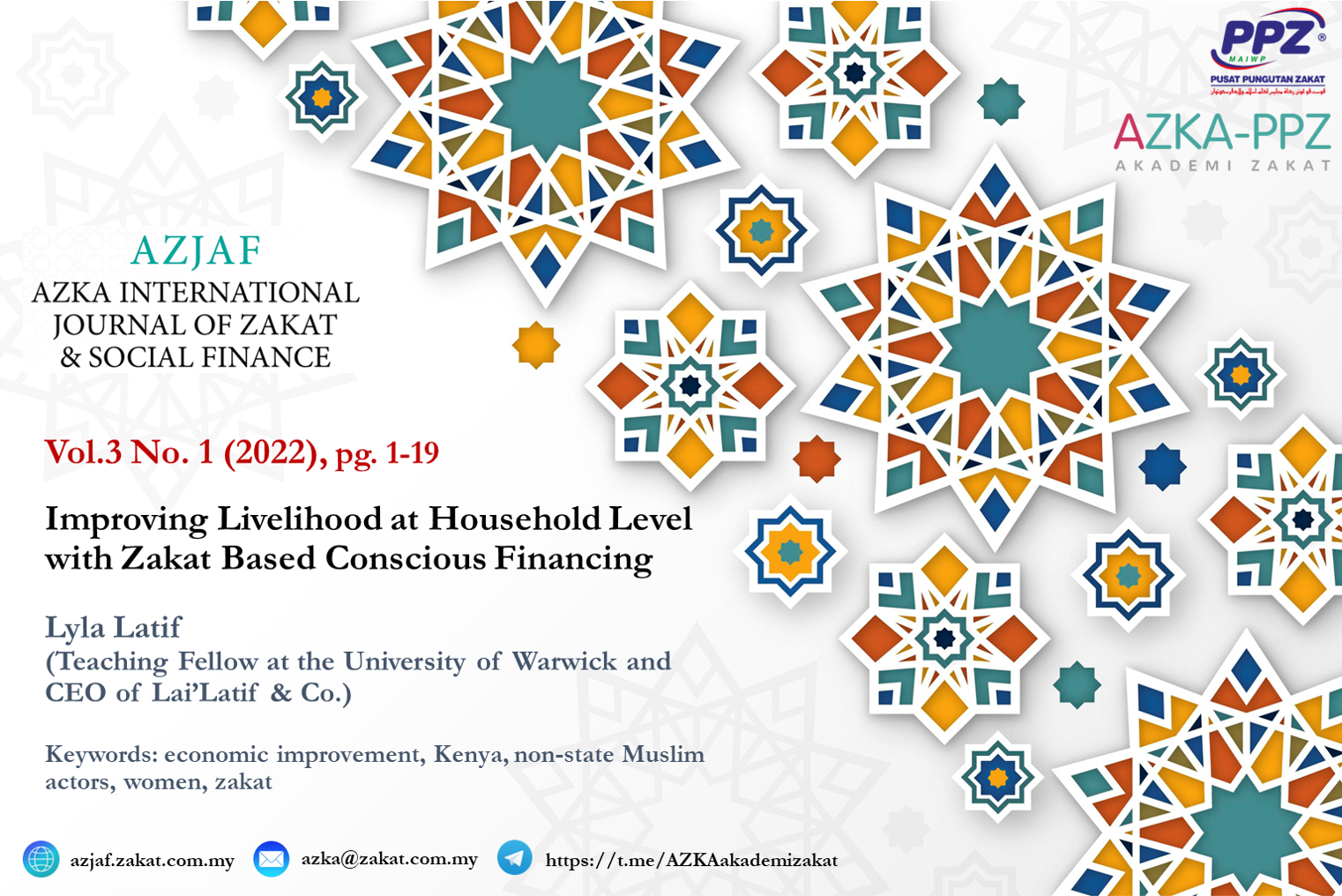
Title: Improving Livelihood at Household Level with Zakat Based Conscious Financing. Author:Lyla Latif (Teaching Fellow at the University of Warwick and CEO of Lai’Latif & Co.) Abstract:This paper explores spending zakat to support the financial improvement of women from low- or no-income households. It assesses the feasibility of remitting zakat over the m-pesa platform. M-pesa is a Kenyan mobile banking app that allows subscribers to send and receive money through their mobile phones without the use of the internet. The theory underpinning the paper’s analysis on the use of zakat to support the economic improvement of women is based on tax justice and social extraction. Taken together these theories suggest that redistribution can also be facilitated by non-state actors who apply their own norms in regulating how to spend their collective revenue towards improving lives. As such, the paper therefore, starts the discussion by highlighting the need for redistribution using taxes, extends the conception of conventional tax to include zakat and justifies this position by interrogating whether the Kenyan fiscal space and its constitution can recognise zakat as part of tax system that supports the state to promote social and economic wellbeing. Whether zakat contributes to the social and economic improvement of people is examined by inquiring into a specific case study of Mama Riziki. The paper employs the discursive approach and is based on a mixed methods approach. The findings reveal that zakat based conscious financing can improve livelihoods at a household level. Keywords: economic improvement, Kenya, non-state Muslim actors, women, zakat Read full article: https://doi.org/10.51377/azjaf.vol3no1.91

Read More

The 16th ISDEV International Islamic Development Management Conference (IDMAC)

  • October 11, 2022
  • Comments off

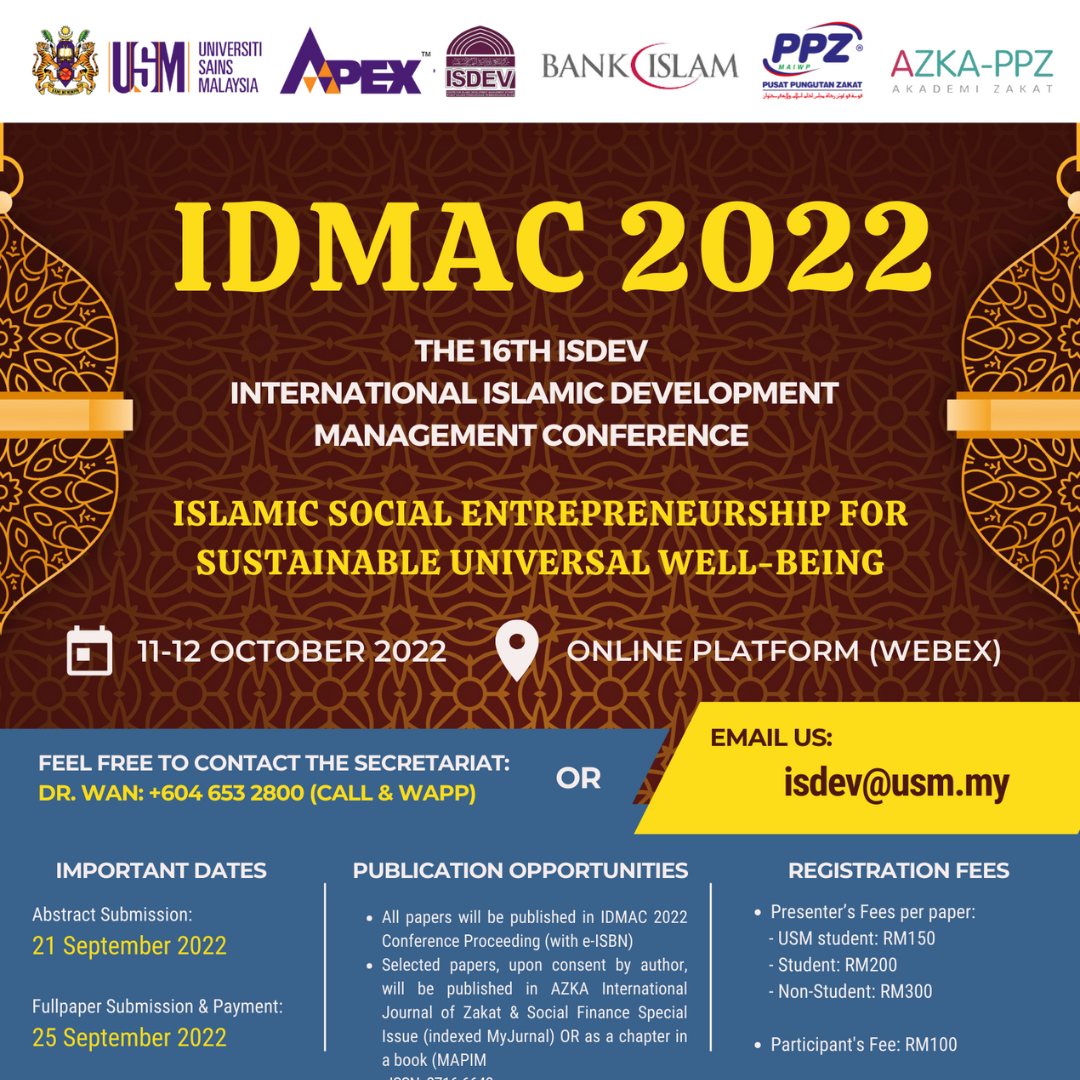
AZKA had the opportunity to participate in “The 16th ISDEV International Islamic Development Management Conference (IDMAC)” organized by the Center for Islamic Development Management Studies (ISDEV) in collaboration with AZKA as a sponsored. The theme of the conference is “Islamic Social Enterpreneurship For Sustainable Universal Well-Being”. The program conducted through online platform using Webex. This 2 days conference covered ranging from Islamic Social Entrepreneurship, Islamic sustainability, Islamic Social Welfare, Development of Entrepreneurial Skills, Management of Islamic Socio-Economic Institutions and Islamic Social Development topics Download eProceeding The 16th ISDEV International Islamic Development Management Conference (IDMAC)) eProceeding The 16th ISDEV International Islamic Development Management Conference (IDMAC)) DOWNLOAD

Read More

Tan Sri Dato’ Sri Dr. Abdul Aziz Abdul Rahman – World Zakat & Waqf Forum 2022 at Leeds, UK.

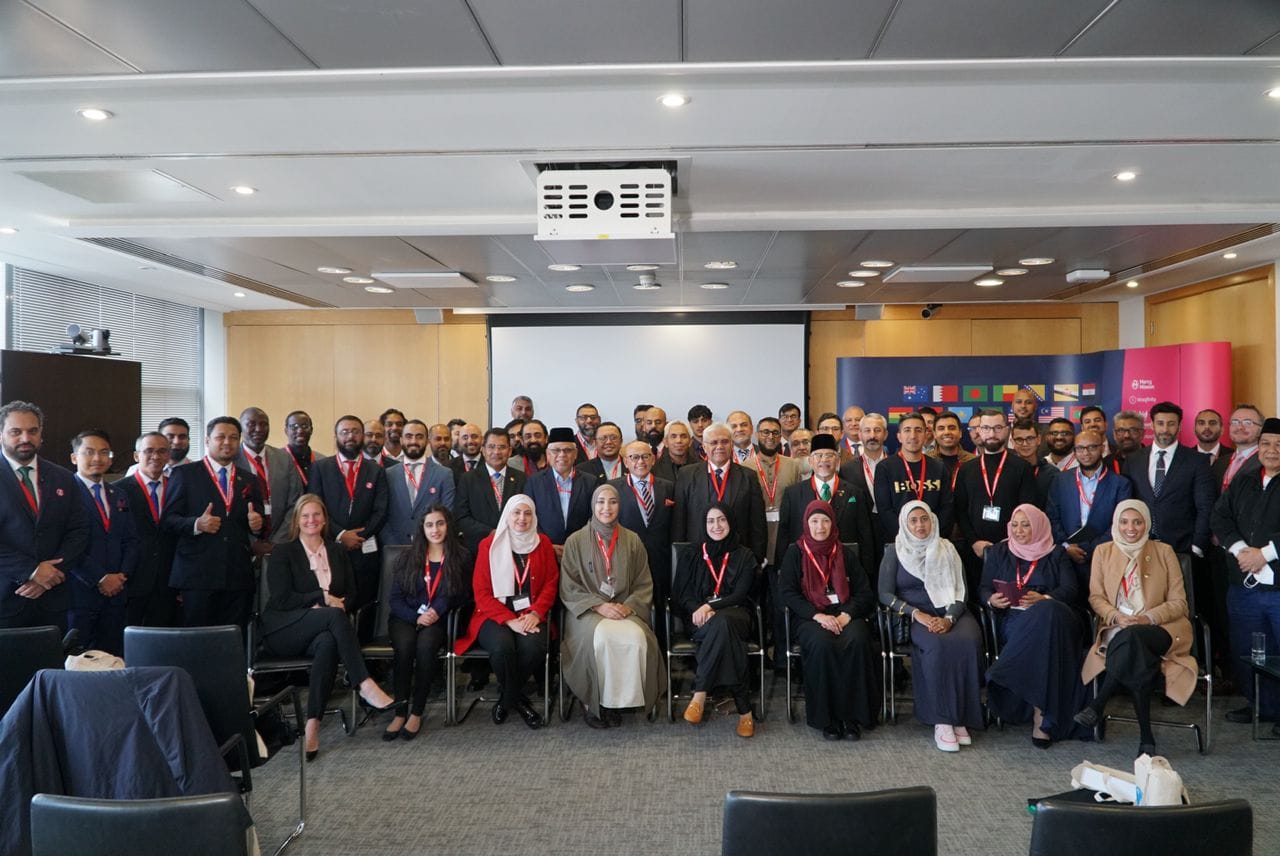
Tan Sri Dato’ Sri Dr. Abdul Aziz Abdul Rahman, Chairman of PPZ-MAIWP, has presented a topic titled “Innovation and Technology Optimization for Increasing The Collection and Distribution of Zakat and Waqf“. This topic presents the efforts that have been carried out especially in terms of the use of innovation and the latest technology by PPZ-MAIWP, that have successfully contributed to positive and proud achievements. PPZ-MAIWP is seen to have carried out their duties with excellence, however should continue to find new ways to further expand knowledge and spread zakat preaching to the community. The World Zakat and Waqf Forum (WZWF) as an international platform of the Zakat and Waqf movement, has a pivotal role in synergizing global Zakat and Waqf stakeholders to alleviate poverty and improve the status of welfare of the ummah. Therefore, with the mercy of Allah, the World Zakat and Waqf Forum has conducted the 11th World Zakat and Waqf Forum International Conference and Annual Meeting 2022 on 28th-30th September 2022 which took place in Leeds, United Kingdom, under the theme “Islamic Philanthropy Leadership in a Global Cost of Living Crisis”. This conference has discussed various current and strategic issues on global zakat and waqf development. To sum up these 3 (three) days discussion, the World Zakat and Waqf Forum states the following resolutions: First, The WZWF needs to formulate code of conduct in 2023 in order to strengthen zakat and waqf member institutions of the WZWF to be more effective and efficient;Second, Cooperation and partnership between government zakat and waqf institutions and NGOs by paying attention to sharia aspects and regulatory compliance in each WZWF member country are highly needed;Third, Encourages the member country to improve the capacity of human resources and enhance the professionalism of Amil and Nazir, therefore it is necessary for the WZWF to have a professional certification standard for Amil and Nazir;Fourth, Prompts all WZWF member countries to recognize and apply the Zakat Core Principles (ZCP) and Waqf Core Principles (WCP) documents along with the technical notes that have been ratified by the WZWF Annual Meeting;Fifth, Cooperates with local zakat and waqf philanthropy institutions to provide assistance and advocacy for zakat and waqf services as a form of WZWF’s contribution and attention to zakat and waqf management in Muslim minority countries.Sixth, The members agree to explore and implement a tiered membership fee in the WZWF Statute for all WZWF member countries and member institutions. The World Zakat and Waqf Forum agrees to conduct the next forum, 12th World Zakat and Waqf Forum International Conference and Annual Meeting 2023, in Kedah, Malaysia. May Allah SWT bless our endeavors in upholding global zakat and waqf movement for a better future of the Ummah.

Read More

The 10th Islamic Banking, Accounting and Finance International Conference (iBAF 2022)

  • September 13, 2022
  • Comments off

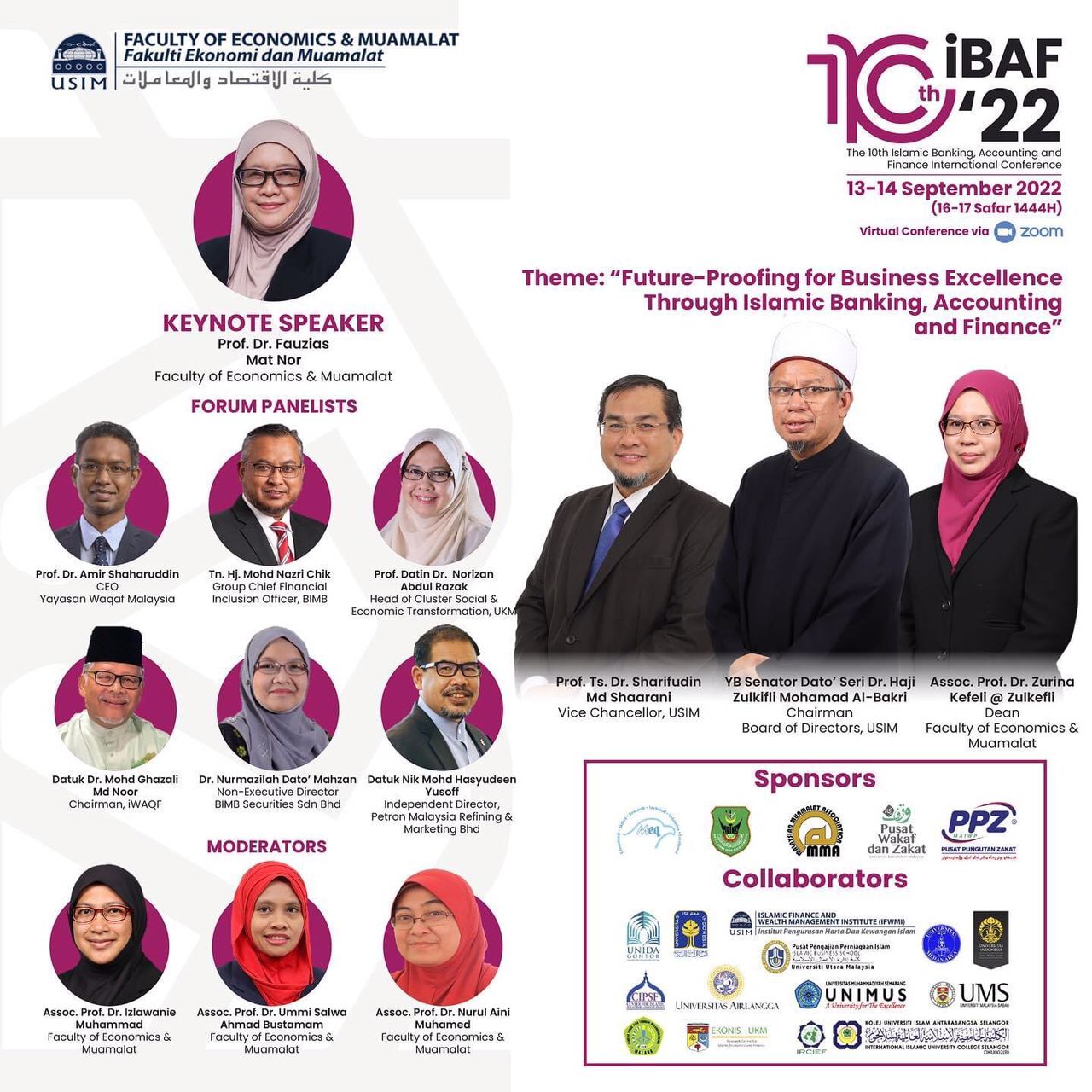
AZKA had the opportunity to participate in “The 10th Islamic Banking, Accounting and Finance International Conference (iBAF 2022)” organized by the Faculty of Economics and Muamalat (FEM), Universiti Sains Islam Malaysia (USIM) in collaboration with AZKA as a sponsored. The theme of the conference is “Future-Proofing for Business Excellence Through Islamic Banking, Accounting and Finance”. This 2 days conference covered ranging from Fintech, Governance, Waqf, Halal and Sustainability topics. Download eProceeding  The 10th Islamic Banking, Accounting and Finance International Conference (iBAF 2022) eProceeding – The 10th Islamic Banking, Accounting and Finance International Conference (iBAF 2022) DOWNLOAD

Read More