Monthly Archives: August 2025

PPZ-MAIWP Supports World Zakat & Waqf Forum 2025 as Corporate Partner

  • August 27, 2025
  • Comments off

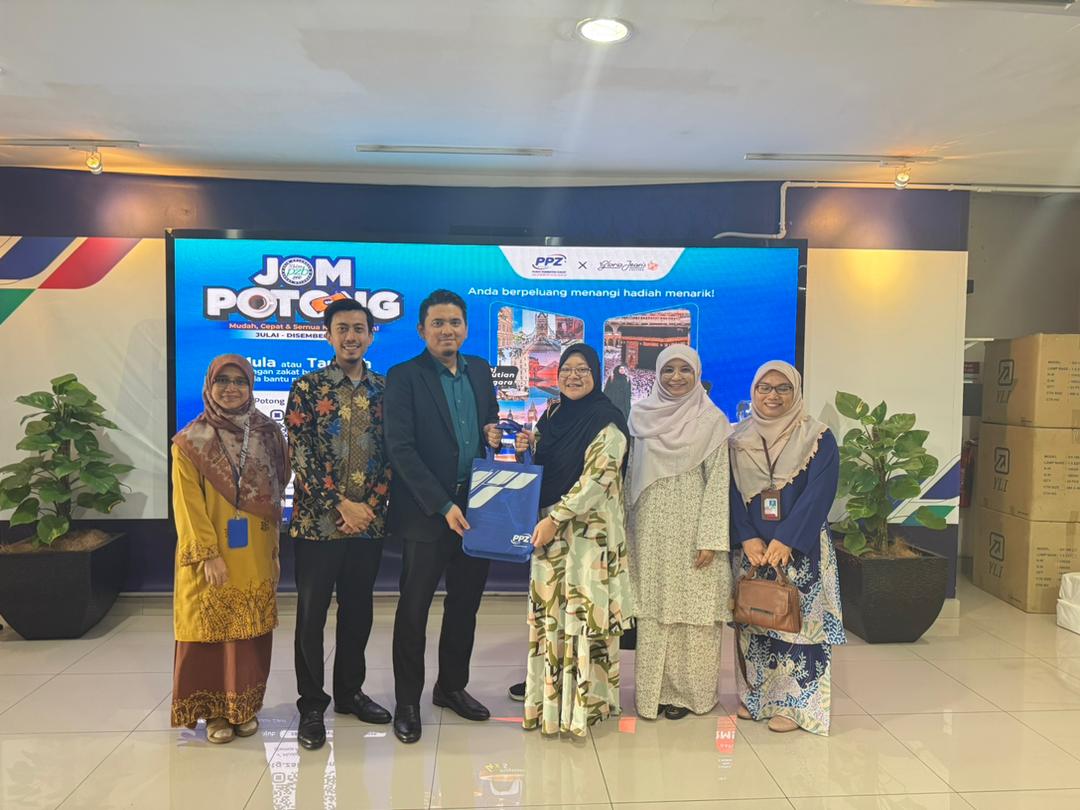
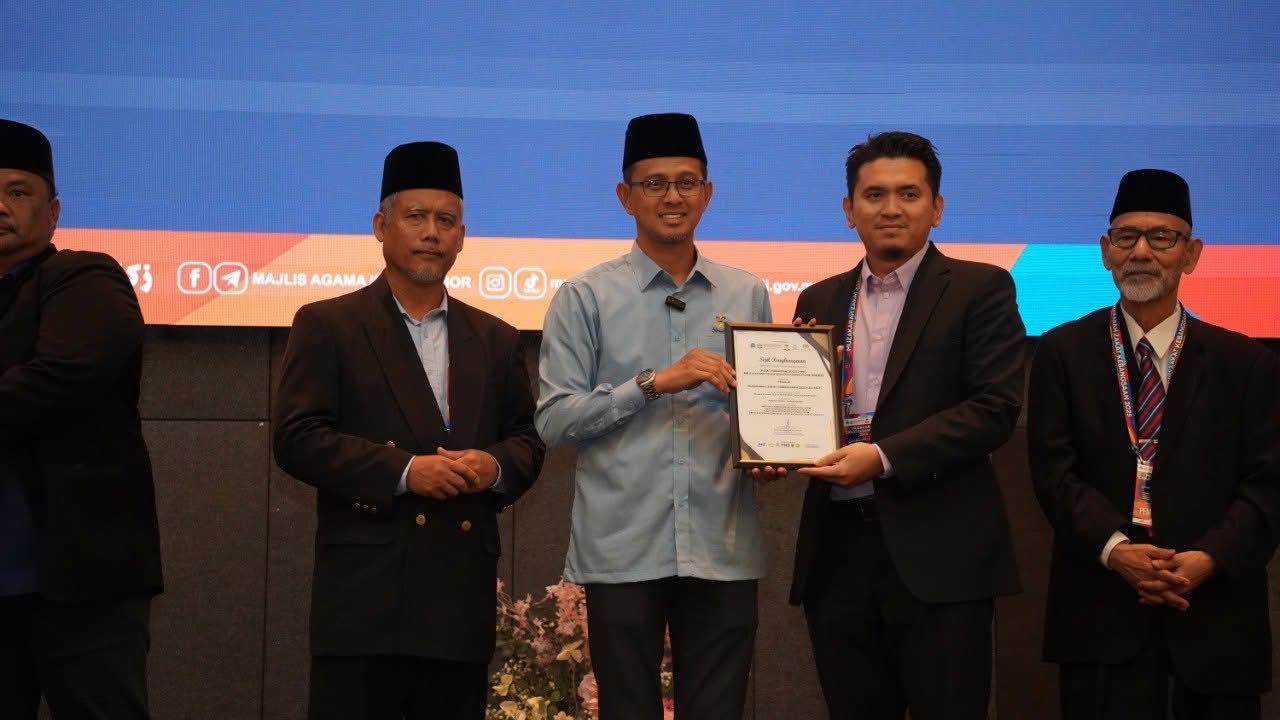
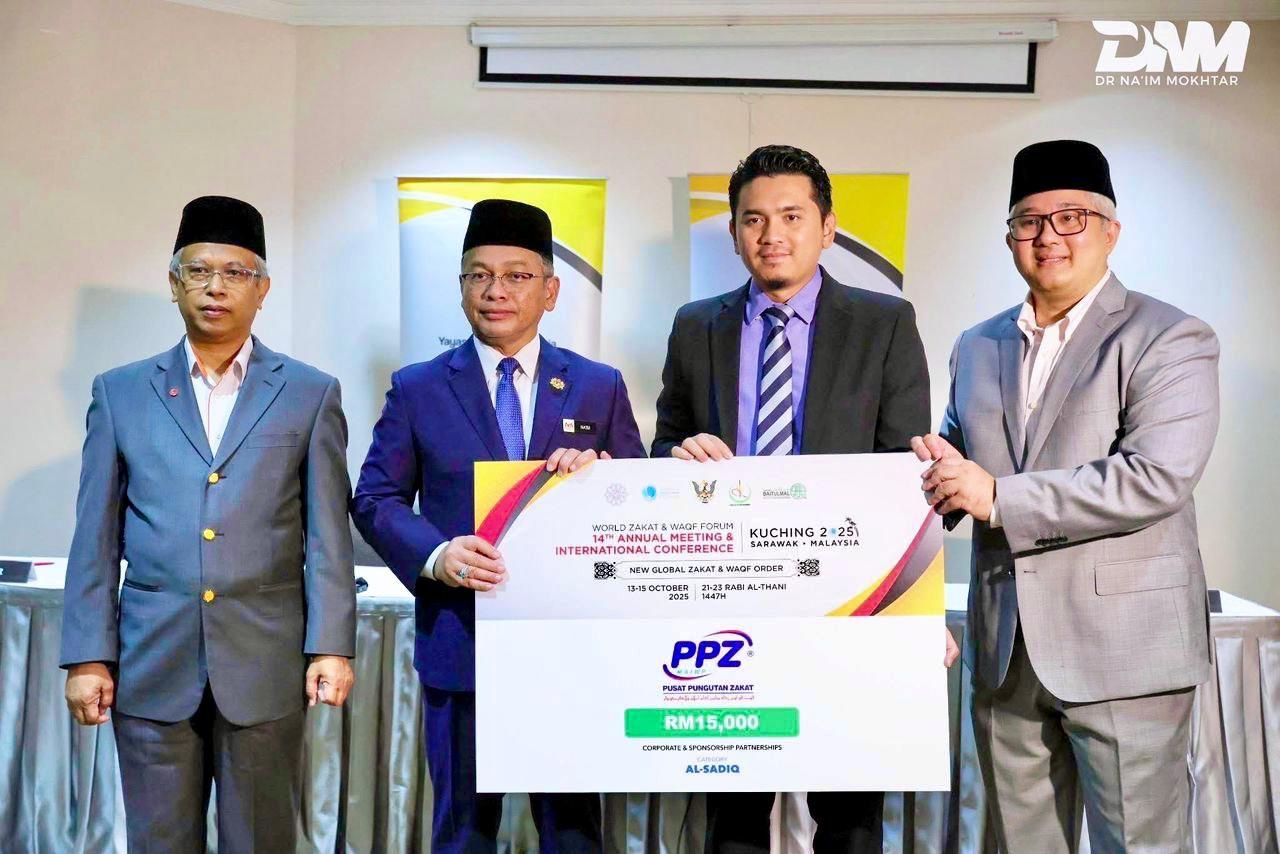
Kuala Lumpur | 27 August 2025 – The global stage for zakat and waqf is set to shine in Malaysia this October. PPZ-MAIWP joined the Sponsorship Handover Ceremony & Press Conference for the World Zakat & Waqf Forum (WZWF) 2025, held at Seri Pacific Hotel, Kuala Lumpur, and officiated by YB Senator Dato’ Setia Dr. Haji Mohd Na’im Mokhtar, Minister in the Prime Minister’s Department (Religious Affairs). The ceremony formally recognised the commitment of institutions and corporate partners that will make this international gathering possible. Among the main sponsors for WZWF 2025 are: Pusat Pungutan Zakat – MAIWP (PPZ-MAIWP) Kumpulan MBSB Yayasan Waqaf Malaysia (YWM) Lembaga Zakat Negeri Kedah (LZNK) BERNAS Malaysian Kuwaiti Investment Co. Sdn Bhd (MKIC) Yayasan Infaq ANGKASA A Global Platform in Kuching The World Zakat & Waqf Forum 2025 will take place on 13–15 October 2025 in Kuching, Sarawak, carrying the theme “New Global Zakat & Waqf Order.” As the 14th Annual Meeting & International Conference, WZWF 2025 will convene scholars, policymakers, and practitioners from across the world to explore how zakat and waqf can serve as powerful instruments for: Sustainable development Social justice Economic empowerment It is an opportunity for Malaysia to showcase its leadership in zakat and waqf management, while also learning from global best practices. PPZ-MAIWP’s Commitment For PPZ-MAIWP, being a corporate partner in this prestigious event is more than a sponsorship — it is a statement of commitment. As one of the country’s leading zakat collection institutions, PPZ-MAIWP recognises the importance of contributing to global conversations that shape the future of Islamic social finance. Through its research arm, Akademi Zakat (AZKA-PPZ), PPZ-MAIWP continues to produce knowledge, publications, and initiatives that inform practice and strengthen governance. By supporting WZWF 2025, PPZ-MAIWP reaffirms its role not only in serving the Federal Territories but also in helping to shape the global direction of zakat and waqf. Looking Ahead The Sponsorship Handover Ceremony marked the beginning of the final stretch of preparations towards October’s landmark gathering in Kuching. With strong institutional backing, WZWF 2025 promises to be a dynamic platform for new ideas, deeper collaboration, and renewed commitment to the role of zakat and waqf in building a just and sustainable world. As the countdown to WZWF 2025 begins, PPZ-MAIWP stands ready to play its part in ensuring that Malaysia continues to lead, contribute, and inspire in the global zakat and waqf movement.

Read More
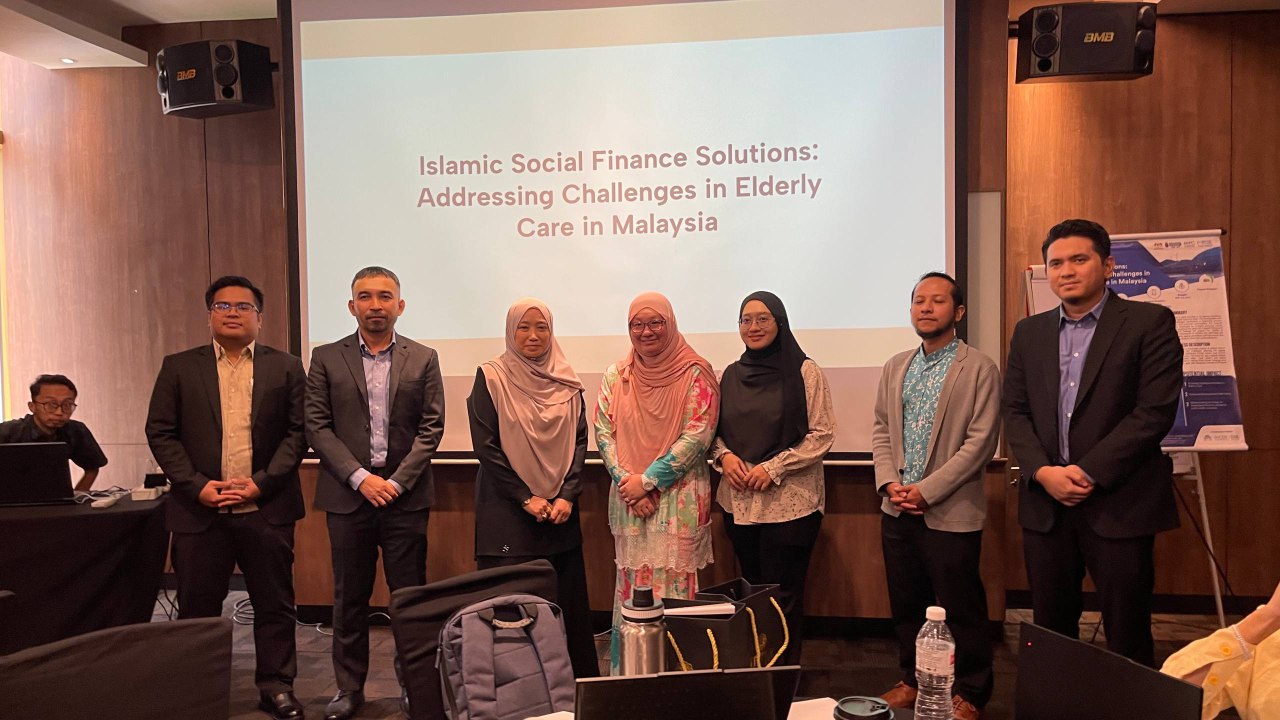
Islamic Social Finance and Elderly Care: Insights from the FGD by IIiBF

  • August 26, 2025
  • Comments off

Kuala Lumpur | 25 August 2025 – Malaysia, like many nations, is facing the reality of a rapidly ageing population. By 2030, one in six Malaysians is projected to be aged 60 or above. With this demographic shift comes pressing questions: how do we ensure dignity, care, and sustainability for our elderly? And what role can Islamic social finance play in addressing these challenges? These questions formed the heart of a Focus Group Discussion (FGD) on “Islamic Social Finance Solutions in Addressing Challenges in Elderly Care in Malaysia,” organised at IBIS Hotel, Kuala Lumpur, with support from the Islamic Economics Research and Innovation Fund (IERIF). The session brought together researchers, practitioners, and Shariah experts to critically assess emerging ideas and refine proposed solutions. The Objectives of the Study The research underpinning the FGD is ambitious and timely. Its goals are fourfold: Identify the socioeconomic impact of Malaysia’s ageing society. Review current policy gaps in elderly care provisions. Assess the effectiveness of existing Islamic social finance mechanisms in addressing elderly care. Propose innovative solutions that are both practical and Shariah-compliant. With healthcare costs rising and family support systems shifting due to urbanisation and economic pressures, the need for structured, sustainable support for the elderly has never been greater. Exploring the Role of Zakat and Islamic Social Finance A key focus of the discussion was how Islamic social finance instruments — particularly zakat, waqf, and sadaqah — can be mobilised for elderly care. Several issues were debated: Zakat eligibility: Can elderly care centres, and by extension their residents, be supported under asnaf categories such as faqir and miskin? Governance and trust: How can zakat institutions ensure transparency and accountability if they allocate funds for senior care? Integration with waqf: Could waqf properties or investments be structured to generate continuous funding for elderly care centres? Sadaqah and CSR: How might voluntary contributions complement institutional zakat and waqf support? What emerged from these discussions was the recognition that Islamic social finance has the potential to provide not only short-term relief, but also long-term sustainability if managed with professionalism and foresight. Our Role as Expert Reference We are humbled to participate as one of the expert references in this FGD, representing the knowledge and institutional perspective of AZKA-PPZ. Our contributions centred on the practical realities of zakat management, the evolving expectations of zakat payers, and the importance of aligning any new solutions with Shariah principles while ensuring operational feasibility. It was particularly meaningful to share insights on how zakat has already been utilised in certain contexts for elderly care and to highlight the need for national-level guidance so that such initiatives can be harmonised across states. Building Towards Practical Outcomes What makes this FGD significant is its applied orientation. Rather than remaining at the level of theory, the session sought realistic feedback from experts to refine proposed financial models. By the end, it was clear that the research team intends to shape outcomes that can influence both policy frameworks and institutional practice. Among the innovative ideas explored were hybrid models that combine zakat allocations with waqf-based investments, enabling the creation of elderly care facilities that are both financially sustainable and socially impactful. A Shared Responsibility Caring for the elderly is more than just a policy challenge; it is a moral and spiritual responsibility. In Islam, respect and care for parents and the elderly is deeply enshrined, and institutions must ensure that this value translates into action. Islamic social finance offers tools that can bridge the gap between community values and modern welfare needs. Conclusion The Focus Group Discussion on Islamic social finance and elderly care was an important step in reimagining how zakat and related instruments can address one of the most urgent challenges of our time. For AZKA-PPZ, participation in such initiatives underscores its commitment to advancing zakat knowledge, policy, and practice in ways that are responsive to evolving social realities. By contributing expertise and institutional experience, AZKA-PPZ continues to strengthen the role of zakat as a catalyst for community empowerment and sustainable welfare. The insights gathered from this FGD will not only inform the research team’s final outputs but also open pathways for zakat institutions to play a greater role in ensuring that Malaysia’s elderly are cared for with dignity, compassion, and sustainability.

Read More

WEBINAR @ KIAS: ISLAM MEMBENTUK CARA FIKIR

  • August 24, 2025
  • Comments off

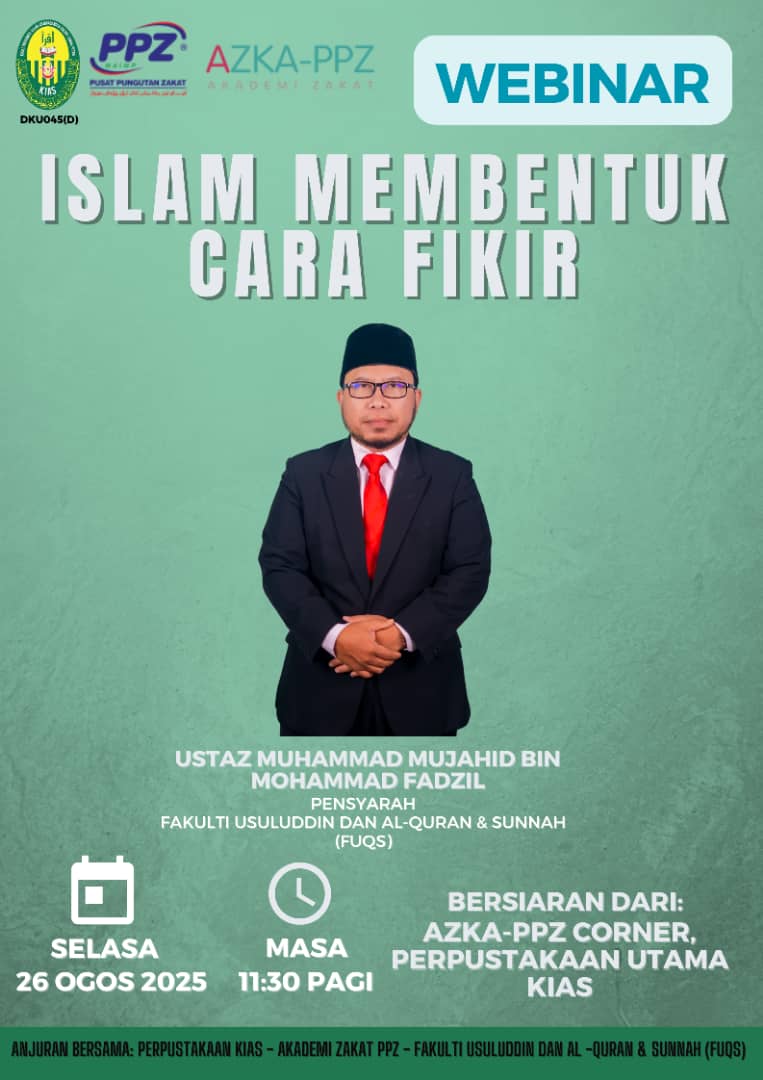
 WEBINAR ISLAM MEMBENTUK CARA FIKIR  Penceramah:USTAZ MUHAMMAD MUJAHID BIN MOHAMMAD FADZILPensyarah, Fakulti Usuluddin dan Al-Quran & Sunnah (FUQS)  Tarikh: 26 Ogos 2025 (Selasa) Masa: 11.30 pagi Platform: Facebook Live (https://www.facebook.com/kiasnilampuri)  Peserta akan menerima e-Sijil Pautan pendaftaran akan diberikan pada hari webinar berlangsung Anjuran Bersama: Perpustakaan KIAS | Akademi Zakat PPZ | Fakulti Usuluddin dan Al-Quran & Sunnah Lets Watch Siaran rakaman di bawah: https://www.facebook.com/watch/live/?ref=watch_permalink&v=3344785749009159

Read More

WEBINAR@PSNZ: SEMBANG ILMU SIRI 1/2025 – TENAGA ELEKTRIK DAN TARIF: APA KITA PERLU TAHU?

  • August 24, 2025
  • Comments off

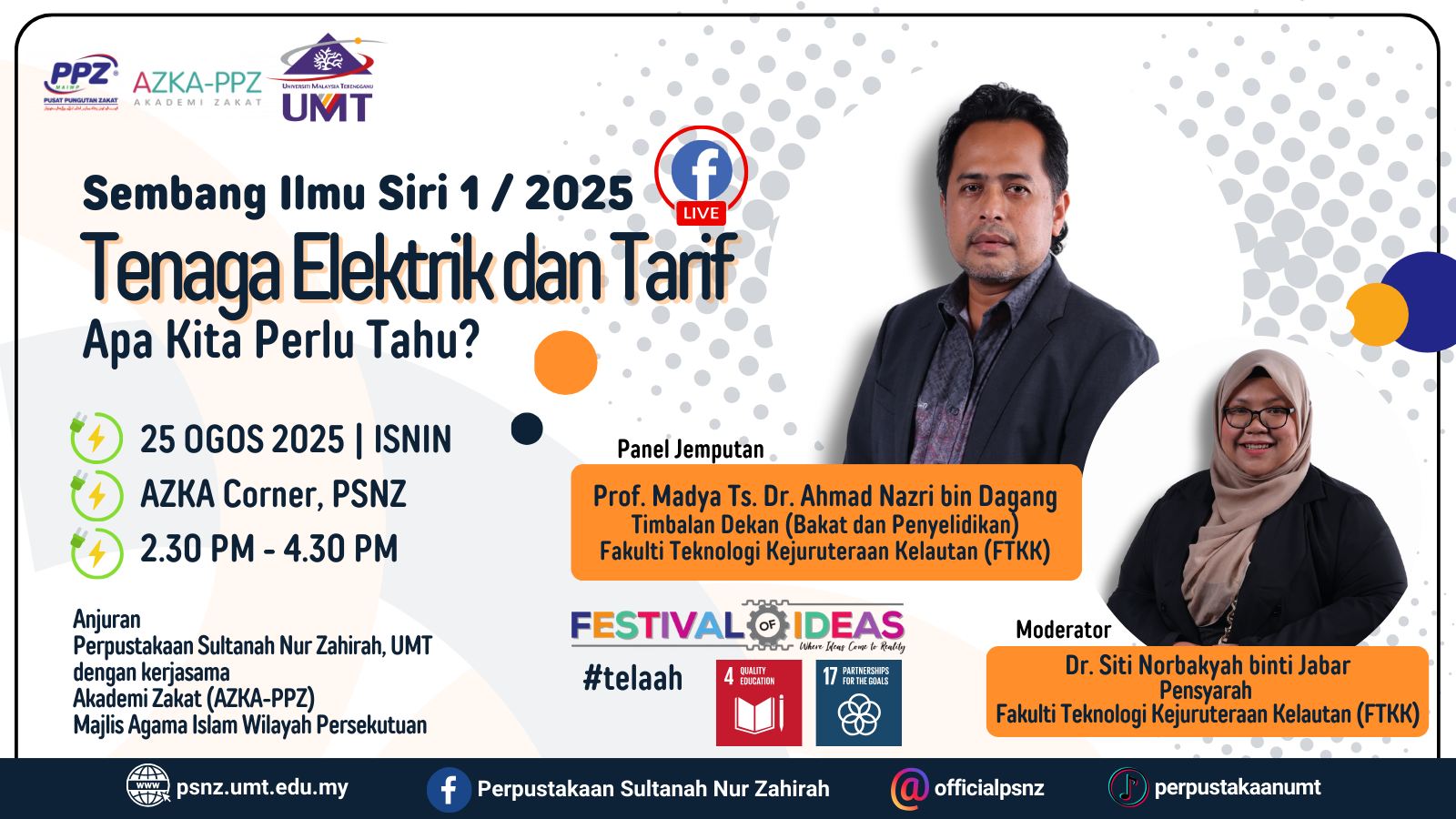
Sukacita dimaklumkan bahawa Perpustakaan Sultanah Nur Zahirah, UMT dengan kerjasama AZKA-PPZ MAIWP akan menganjurkan Program Sembang Ilmu sepertimana ketetapan berikut: Tarikh : 25 Ogos 2025 (Isnin)Masa : 02.30 petang – 04.30 petangTempat : AZKA Corner, PSNZKaedah : Live Facebook Perpustakaan Sultanah Nur Zahirah (https://www.facebook.com/OfficialPSNZ)Penceramah : PM Ts. Dr. Ahmad Nazri bin Dagang, Timbalan Dekan (Bakat dan Penyelidikan), FTKKModerator : Dr. Siti Norbakyah binti Jabar, Pensyarah, FTKK Sehubungan itu, pihak kami berbesar hati untuk menjemput YBhg. Dato’ /Prof./Prof. Madya/Dr./Tuan/Puan untuk menyertai program ini secara bersemuka atau dalam talian serta mengambil manfaat daripada perkongsian ilmu yang akan disampaikan. * e-sijil disediakan* Kehadiran ke program ini dikira jam latihan (staf UMT) & Merit MyStar (pelajar UMT) Kerjasama dan komitmen pihak YBhg Dato’/Prof/Prof. Madya/Dr./Tuan/Puan dalam menjayakan program ini amat kami hargai dan didahului dengan ucapan terima kasih. Lets Watch Siaran rakaman di bawah: https://www.facebook.com/watch/live/?ref=watch_permalink&v=752664404287616

Read More

Extended Urban Poverty Study: Strengthening Zakat Research and Policy

  • August 21, 2025
  • Comments off

Kuala Lumpur | 21 August 2025 – Urban poverty has long been one of the pressing realities of modern Malaysia. Behind the gleaming skylines and economic progress, there are pockets of families in the city struggling with the rising cost of living, unstable incomes, and the challenges of making ends meet. For zakat institutions, this reality presents both an obligation and an opportunity: to ensure that the system not only provides relief, but also paves the way for empowerment and long-term transformation. It is within this context that the Akademi Zakat (AZKA-PPZ) team took part in the Extended Urban Poverty Study discussion on 21 August 2025. This session built upon earlier research efforts to better understand the socio-economic realities of the urban poor, while also moving the conversation forward with new initiatives and collaborations. From Initial Findings to Deeper Insights The earlier phases of the urban poverty study helped outline key dimensions of the issue: the profiles of affected households, the financial pressures they face, and the social dynamics that shape their vulnerabilities. It became clear that the challenge of miskin bandar is not just about insufficient income. It is about housing affordability, access to quality education, health costs, and the rising price of basic necessities. Zakat, in this context, has proven to be an important safety net. Yet, the discussions at the session also highlighted that zakat must go beyond immediate distribution. It needs to become a lever for empowerment — helping the poor build capacities, develop income streams, and eventually move from being recipients to becoming contributors. Towards a New Research Collaboration One of the significant outcomes of the session was the agreement to embark on a new collaborative research project with Universiti Sains Islam Malaysia (USIM), through the Institute of Wealth Management and Islamic Finance (IFWMI). This collaboration will focus on developing a scholarly and policy-oriented book titled:“Transforming Asnaf into Zakat Payers Among the Urban Poor.” The vision behind this publication is ambitious yet necessary. By blending theoretical perspectives with empirical research, the book aims to explore how zakat can play a transformative role. It will document practical strategies, assess real-world programmes, and recommend policy directions that could enable asnaf households to break out of the poverty cycle and eventually join the community of zakat payers. For the Federal Territory of Kuala Lumpur — a hub of urban migration and economic opportunity, but also stark inequality — this research will provide timely and critical insights. AZKA-PPZ’s Role and Commitment As the research and knowledge arm of PPZ-MAIWP, AZKA-PPZ plays a central role in bridging theory and practice. The Extended Urban Poverty Study reaffirms this mandate. By participating in the session, the AZKA team not only contributed institutional perspectives but also positioned itself as a facilitator of knowledge that can inform both academic debates and policy decisions. The broader mission is clear: to ensure that zakat is not only managed with efficiency and accountability, but also guided by knowledge, research, and long-term vision. Empowerment is at the heart of this mission, and studies such as this provide the evidence base to design impactful programmes. Looking Ahead The Extended Urban Poverty Study and the forthcoming collaboration with USIM mark an important step in Malaysia’s zakat journey. It is a move from relief to empowerment, from distribution to transformation. The hope is that this work will not remain on paper alone. It should translate into policies, programmes, and initiatives that genuinely uplift urban asnaf families — enabling them to stand on their own feet, contribute to society, and even join the ranks of zakat payers themselves. For AZKA-PPZ, the journey continues. Each study, each collaboration, and each reflection brings us closer to a zakat ecosystem that is professional, relevant, and impactful. One that does not simply alleviate poverty, but helps to end it. Importantly, this extended study builds on AZKA-PPZ’s earlier work. Previously, AZKA-PPZ published the book “Penanda Aras (Threshold) Miskin Bandar di Wilayah Persekutuan”, which serves as the original baseline study for understanding urban poverty. The publication can be freely downloaded here: https://azka.zakat.com.my/2025/penanda-aras-threshold-miskin-bandar-di-wilayah-persekutuan/.

Read More

MUZAKARAH ZAKAT KEBANGSAAN KE-11 (2025) @ JOHOR BHARU

  • August 13, 2025
  • Comments off

Johor Bahru | 12–13 August 2025 – The 11th National Zakat Muzakarah (Muzakarah Zakat Kebangsaan) marked another milestone in Malaysia’s journey of strengthening zakat governance and practice. Organized in conjunction with the 100th Anniversary of the Johor Islamic Religious Council (MAINJ), the gathering brought together prominent zakat leaders, scholars, legal experts, and practitioners of Islamic financial management from across the country. With the theme “Evolution of Zakat Institutions: History, Challenges, and the Future,” the Muzakarah served as a vital platform to reflect on the trajectory of zakat in Malaysia — tracing its historical foundations, examining present-day realities, and exploring pathways for the future. The opening ceremony was officiated by YB Hj Mohd Fared Hj Mohd Khalid, Chairman of the Johor State Islamic Religious Affairs Committee, who underscored the significance of zakat as both a religious obligation and a socio-economic instrument for the ummah. Reviewing the Past, Assessing the Present, Envisioning the Future Throughout the two-day sessions, discussions were wide-ranging and thought-provoking. Participants revisited the history of zakat administration in Malaysia, recognising the traditional roots that have shaped its development. Equally, they evaluated the current challenges facing zakat institutions, from ensuring efficient collection and distribution, to addressing questions of governance, legal frameworks, and public trust. One important theme raised was the dual responsibility of zakat payers and recipients. Sustaining the institution of zakat requires not only efficient systems but also conscious engagement from both sides of the equation — those who contribute and those who benefit. The Muzakarah also invited participants to envision zakat governance in the era of Society 5.0, urging institutions to embrace innovation, digitalisation, and strategic transformation to remain relevant and impactful. Presentation on Corporate Transformation of Zakat Institutions Among the highlights of the program was the presentation by Dr. Muhsin Nor Paizin, Senior Manager of Akademi Zakat (AZKA), PPZ-MAIWP, on the topic:“Pengkorporatan Institusi Zakat: Membentuk Sistem Pengurusan Zakat yang Profesional dan Berdaya Saing.” The session explored how corporatization can elevate zakat institutions into professionally managed, competitive entities that uphold transparency, accountability, and innovation. Drawing from PPZ-MAIWP’s own journey, the presentation illustrated how structured governance, technological integration, and customer-focused initiatives are reshaping zakat management in Malaysia. This reflection on corporatization was timely, complementing the Muzakarah’s broader theme of institutional evolution. It highlighted that beyond collecting and distributing zakat, institutions must also embody professionalism and adaptability to sustain their credibility and maximise their social impact. Towards Stronger Collaboration and Impact As the Muzakarah concluded, participants echoed the importance of inter-institutional collaboration and harmonisation. The future of zakat in Malaysia lies not only in managing funds effectively but also in nurturing trust, building scholarly and community engagement, and continually innovating in line with the challenges of modern society. Through such dialogues, the National Zakat Muzakarah continues to serve as a beacon for collective reflection, knowledge-sharing, and reform. With contributions from diverse voices — from scholars to practitioners — the path forward for zakat institutions in Malaysia is set on firmer, more professional, and more competitive ground. Get all the presentation slides of this program in this link: https://drive.google.com/drive/folders/1T2pWYb6HHBCu0vHv7UXqVuFrGhV2UNpm?usp=sharing Kredit gambar @MajlisAgamaIslamJohor Lets Watch Siaran rakaman di bawah: https://youtu.be/5j3CLN-NNJk

Read More

Establishment of MADANI Reading Corner at UTeM’s Adopted Village

  • August 8, 2025
  • Comments off

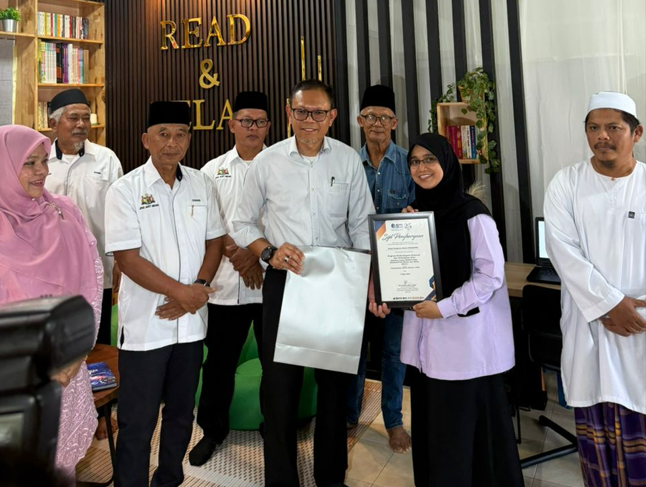
Melaka | 8 August 2025 – In a meaningful step towards enriching community access to knowledge and fostering a culture of learning, PPZ-MAIWP, through the Akademi Zakat (AZKA-PPZ) as intermediary, has proudly served as one of the main sponsors for the Sudut Bacaan Sejahtera MADANI (MADANI Reading Corner) at Universiti Teknikal Malaysia Melaka’s (UTeM) Adopted Village — Kampung Bukit Nibong, Ayer Molek, Melaka. This initiative is part of the Knowledge Sharing Transfer Program (KSTP), an ongoing effort by UTeM to empower local communities through education, knowledge sharing, and skills development. It aligns with the broader MADANI values of inclusivity, sustainability, and shared prosperity, while reflecting AZKA-PPZ’s mission to integrate zakat’s social development mandate into initiatives that uplift society. A Collaborative Effort with a Shared Purpose The culmination of the programme took place on 8 August 2025 with the official handover and launch of the MADANI Reading Corner, officiated by Professor Dr. Zahriladha bin Zakaria, Deputy Vice-Chancellor (Research & Innovation) of UTeM. Representing AZKA-PPZ at the ceremony were Pn. Nurul Shuhada Mamat and Pn. Nurul Izzah Azhar, who witnessed the event alongside a strong line-up of collaborators, including other sponsors, corporate partners, and community leaders. The initiative also received contributions from a wide network of partners, including the Village Development and Security Committee (JPKK) of Kampung Bukit Nibong, UTeM’s Artificial Intelligence Club, UTeM Holdings Sdn. Bhd., Sawipac Sdn. Bhd., CPS Ventures Sdn. Bhd., Pekan Ilmu Publication Sdn. Bhd., Institut Terjemahan & Buku Malaysia, Dewan Bahasa dan Pustaka, Koperasi UTeM Berhad, Penerbit UTeM, IEEE Asia-Pacific Limited, and Access Dunia Sdn. Bhd. This multi-stakeholder collaboration underlines a key reality — that meaningful, sustainable impact is best achieved through collective effort. Beyond a Reading Corner — A Community Platform While physically located at Kampung Bukit Nibong, the Sudut Bacaan Sejahtera MADANI is designed to be far more than just a space to house books. It is envisioned as a dynamic platform for knowledge exchange, where members of the community — from school children to the elderly — can engage with educational resources, literacy programmes, and skill-building activities. By providing a dedicated, accessible learning space within the village, the initiative seeks to: Encourage a lifelong reading habit and love for knowledge across all age groups. Support literacy development and educational advancement for underserved communities. Create an inclusive environment for cross-generational learning. Strengthen community identity and social cohesion through shared educational activities. For AZKA-PPZ, the initiative reflects an understanding that the role of zakat institutions extends beyond monetary distribution. It includes supporting the infrastructure and opportunities that allow communities to break cycles of poverty through knowledge, skills, and empowerment. AZKA-PPZ’s Commitment to Knowledge Empowerment As the knowledge and research arm of PPZ-MAIWP, AZKA-PPZ has long championed programmes that bridge education with social finance principles. Its involvement in the MADANI Reading Corner project represents a deliberate step towards embedding the values of zakat literacy and social empowerment into tangible community development initiatives. In facilitating and sponsoring this project, AZKA-PPZ plays a dual role: Resource Provider – Supporting the physical establishment of the reading corner. Community Development Partner – Working alongside local and institutional stakeholders to ensure the space becomes an active hub of learning, not just a static collection of books. This approach mirrors AZKA-PPZ’s wider strategic direction of ensuring zakat collection is matched with impactful, sustainable programmes that benefit society in the long term. A Vision for Sustainable Impact In his officiating remarks, Professor Dr. Zahriladha bin Zakaria emphasised that the MADANI Reading Corner should not only be a symbol of academic pride but a living, breathing centre of knowledge for the local community. This sentiment echoes the vision shared by AZKA-PPZ — that true empowerment comes when educational access is continuous, inclusive, and designed to inspire. As part of the broader KSTP, literacy-based activities had already begun on 19 July 2025, laying the groundwork for the reading corner’s official launch. These early activities included information literacy workshops, skills training, and knowledge-sharing sessions aimed at preparing the community to fully utilise and take ownership of the space. Conclusion The Sudut Bacaan Sejahtera MADANI at Kampung Bukit Nibong stands as a testament to what can be achieved when institutions, corporations, and communities work together with a shared vision. For PPZ-MAIWP and AZKA-PPZ, it is a reaffirmation of their commitment to empowering communities through education, fostering a culture of lifelong learning, and ensuring that the values of zakat are lived out in ways that transform lives. It is hoped that this initiative will serve as an enduring act of amal jariah — one that continues to benefit the community, ignite curiosity, and strengthen the link between knowledge and social well-being for years to come.

Read More

AZKA-PPZ Participates in UniSZA’s Islamic Social Finance Publication Workshop

  • August 8, 2025
  • Comments off

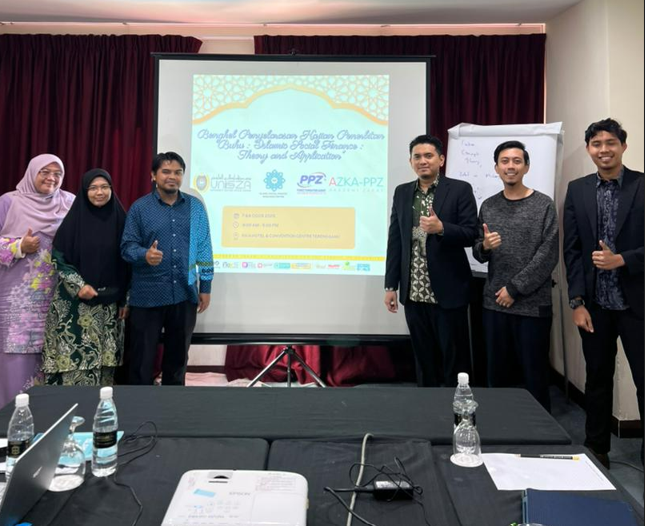
Terengganu | 7–8 August 2025 – Akademi Zakat (AZKA-PPZ) participated in the Coordination Workshop for the Publication Project: “Islamic Social Finance: Theory and Application”, organised by the Islamic Social Finance Research Centre (ISF) at Universiti Sultan Zainal Abidin (UniSZA). The two-day programme, held at the Raia Hotel & Convention Centre Terengganu, brought together academics and industry practitioners to refine the draft chapters of a forthcoming reference book on Islamic social finance. The workshop aimed to align perspectives between research and practice, ensuring the final publication will serve as a credible, comprehensive guide for scholars, policymakers, and industry players. Broad Scope, Focused Expertise The proposed book covers a wide spectrum of topics reflecting the diverse pillars of Islamic social finance. Among the key chapters discussed during the workshop were: An Introduction to Islamic Social Finance – presented by Dr. Muhammad Shahrul Ifwat Ishak (ISF-UniSZA), outlining the foundational principles and contemporary relevance of Islamic social finance in addressing socio-economic challenges. Islamic Banking – led by Dr. Farah (ISF-UniSZA), exploring Shariah-compliant banking products, their regulatory frameworks, and their role in promoting financial inclusion. Islamic Microfinance – also facilitated by Dr. Farah, examining microcredit and micro-savings models that support low-income communities while preserving Shariah compliance. Zakat – contributed by AZKA-PPZ, offering practical insights into governance, collection, and distribution models, as well as innovations in zakat digitisation and community engagement. Waqf – also presented by AZKA-PPZ, highlighting best practices in waqf management, legal frameworks, and potential integration with modern investment tools for sustainable impact. Crowdfunding in Islamic Social Finance – discussed by Dr. Muhammad Shahrul Ifwat Ishak, analysing emerging platforms and their potential in mobilising funds for social good under Shariah principles. AZKA-PPZ’s Role As the knowledge arm of PPZ-MAIWP, AZKA’s involvement was twofold: contributing content for the chapters on zakat and waqf, and engaging in peer discussions to ensure coherence between the academic narrative and on-the-ground realities of Islamic social finance implementation. This dual perspective — grounded in institutional practice yet mindful of scholarly discourse — helped bridge the gap between theory and application. AZKA also shared case studies from PPZ-MAIWP’s experience, particularly on governance frameworks, community-based initiatives, and the integration of technology in zakat services. Strengthening the Knowledge Ecosystem The workshop was not only about content refinement but also about building professional networks and reinforcing shared objectives. By bringing together subject-matter experts from both academia and industry, the programme underscored the importance of collaboration in developing resources that can guide future research, policy, and operational excellence in Islamic social finance. AZKA-PPZ values this opportunity to contribute to a publication that aspires to be a definitive reference in the field. Once completed, the book is expected to support the growth of Islamic social finance knowledge and practice — not only in Malaysia but across the global Muslim community.

Read More

WEBINAR – Relatif Hidup di Bandar: Realiti atau Fantasi?

  • August 8, 2025
  • Comments off

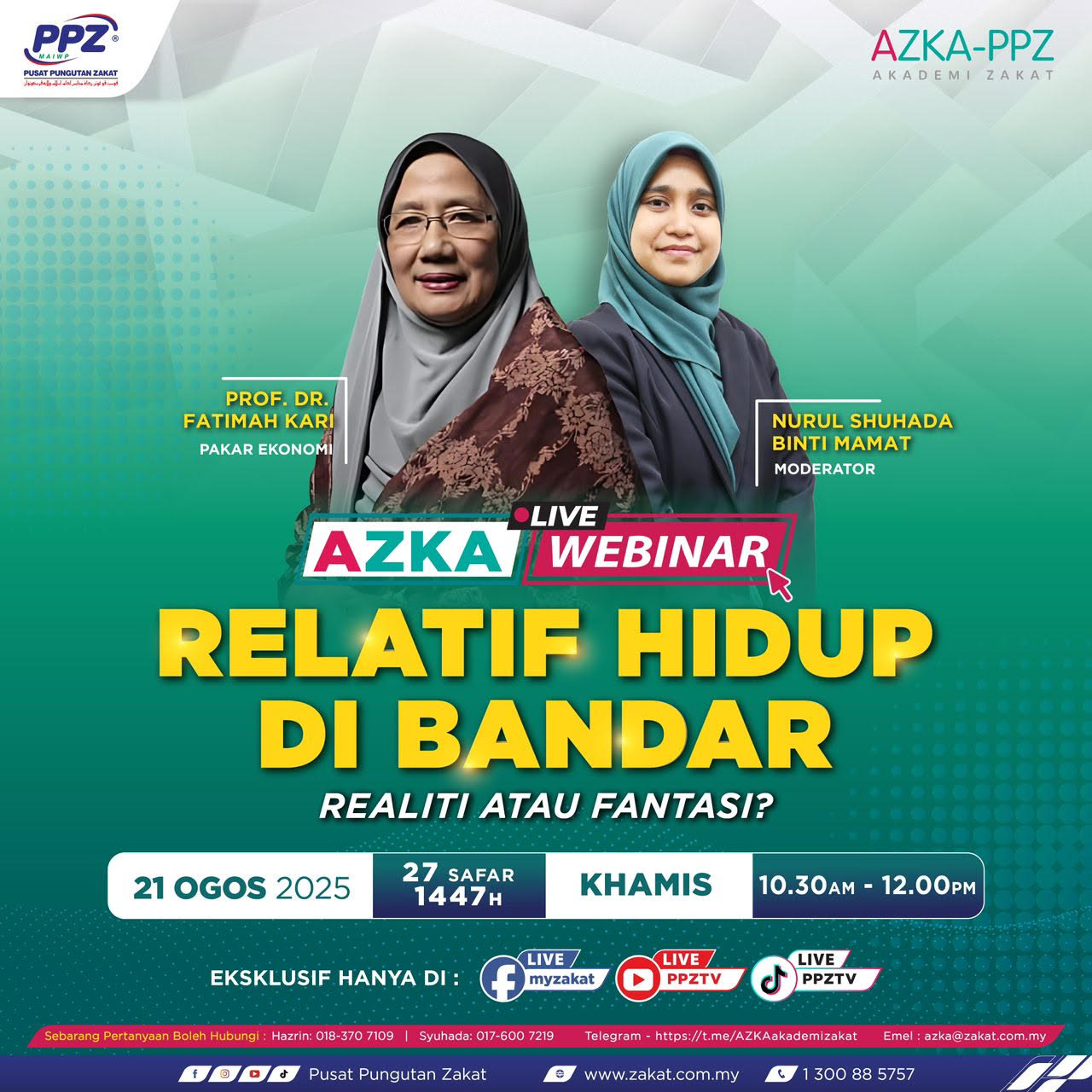
Akademi Zakat (AZKA-PPZ) dengan sukacitanya mengundang semua untuk menyertai sesi AZKA Live Webinar yang bakal mengetengahkan satu topik yang dekat di hati ramai, iaitu Relatif Hidup di Bandar: Realiti atau Fantasi? 📅 Tarikh: Khamis, 21 Ogos 2025🕰️ Masa: 10.30 pagi – 12.00 tengah hari Panel Jemputan:👩‍🏫 Prof. Dr. Fatimah KariPakar Ekonomi, Universiti Malaya Moderator:🎤 Nurul Shuhada Binti MamatAkademi Zakat (AZKA-PPZ) Membongkar Realiti Kos Sara Hidup di Bandar Webinar ini akan mengupas isu kos sara hidup di bandar daripada perspektif ekonomi dan realiti sosial semasa. Perbincangan akan memfokuskan pada persoalan miskin bandar—adakah ia benar-benar satu beban yang menghimpit warga kota, atau sekadar persepsi yang terbentuk oleh keadaan tertentu? Dengan pengalaman dan kepakaran Prof. Dr. Fatimah Kari, sesi ini akan memberi gambaran yang lebih jelas tentang faktor-faktor yang mempengaruhi taraf hidup di bandar, termasuk cabaran ekonomi, tekanan harga, dan peluang yang ada untuk memperbaiki kualiti hidup. Mengapa Anda Perlu Sertai? Mendapat pencerahan terus daripada pakar ekonomi yang berpengalaman. Menilai isu miskin bandar secara objektif dan berasaskan data. Memahami kaitan antara realiti kos sara hidup dengan perancangan kewangan dan kesejahteraan masyarakat. Selain daripada manfaat ilmu, peserta juga akan menerima sijil penyertaan sebagai pengiktirafan atas penglibatan mereka. Lets Watch Siaran rakaman di bawah:

Read More